Thyroid Surgery in Paris — Dr. Gaël Guian, Endocrine Surgeon
Endocrine Surgery · Paris

Thyroid Surgery in Paris

Specialist surgical management of thyroid conditions — nodules, goitre, hyperthyroidism and cancer — performed by Dr. Gaël Guian, endocrine surgeon exclusively specialised in thyroid and parathyroid surgery.

Book an appointment on Doctolib 01 45 02 18 18
HAS-Accredited Surgeon
Systematic NIM monitoring
Fluobeam LX autofluorescence
Waiting time < 2 weeks
Overview

Thyroid surgery: definition and objectives

Thyroid surgery involves the partial or total removal of the thyroid gland — a butterfly-shaped endocrine gland located at the base of the neck that produces hormones regulating metabolism, heart rate and body temperature.

The primary goal of surgery is to treat the underlying condition while carefully preserving two critical adjacent structures: the recurrent laryngeal nerves, which control vocal cord movement, and the parathyroid glands, which regulate blood calcium levels. Protecting these structures is the central technical challenge of every thyroid procedure.
Thyroid lobectomy

Removal of one lobe of the thyroid gland, indicated for a unilateral goitre, a unilateral suspicious nodule, a small thyroid cancer (< 4 cm) or a toxic autonomous nodule. In many cases, thyroid function remains normal after this procedure.

Total thyroidectomy

Removal of the entire thyroid gland, indicated for thyroid cancer larger than 4 cm, large multinodular or toxic goitre, Graves' disease, or when bilateral disease is present. After total thyroidectomy, lifelong thyroid hormone replacement therapy is required.

Lymph node dissection

Removal of regional lymph nodes when thyroid cancer has spread to the neck. This procedure improves cancer staging and reduces the risk of recurrence.

Surgical indications

When is thyroid surgery recommended?

Surgery is indicated in four main clinical situations. Dr. Guian assesses each case against EU-TIRADS ultrasound criteria and Bethesda cytology score, in line with SFE-AFCE-SFMN 2022 and ATA 2025 guidelines.

Thyroid nodules

Most thyroid nodules are benign, but surgery is recommended when fine-needle biopsy returns a suspicious or malignant cytology result (Bethesda IV, V or VI), when the nodule grows progressively, or when it causes compressive symptoms such as difficulty swallowing, breathing discomfort or visible neck enlargement.

Thyroid cancer

Surgery is the primary treatment for thyroid cancer. In most cases, a thyroid lobectomy is sufficient — particularly for papillary cancers smaller than 4 cm without lymph node involvement. Total thyroidectomy is reserved for cancers larger than 4 cm, tumours with extrathyroidal extension, or confirmed lymph node metastases. Papillary and follicular cancers account for over 90% of cases and carry an excellent prognosis when treated early.

Hyperthyroidism

Surgical treatment is considered when hyperthyroidism — whether caused by Graves' disease or a toxic autonomous nodule — does not respond adequately to antithyroid medication, or when radioiodine is contraindicated or declined by the patient.

Compressive goitre

A substantially enlarged thyroid gland can compress the trachea, oesophagus or surrounding neck structures. Surgery effectively relieves compressive symptoms including difficulty swallowing, breathing restriction and a sensation of pressure in the neck.

Technique

How thyroid surgery is performed

Thyroid surgery is performed under general anaesthesia through a small transverse incision placed in a natural skin crease at the base of the neck. The procedure typically lasts between one and two hours.

1

Cervical incision

Small transverse incision (3–5 cm) placed in a natural skin fold at the base of the neck.

2

Nerve monitoring (NIM)

Systematic identification and continuous monitoring of the recurrent laryngeal nerves using intraoperative nerve monitoring throughout the procedure.

3

Parathyroid preservation (Fluobeam LX)

Identification and preservation of the parathyroid glands using near-infrared autofluorescence — no contrast injection required.

4

Thyroid removal

Removal of the targeted thyroid tissue — lobe or entire gland — depending on the indication.

5

Wound closure

Closure with surgical glue — no visible external sutures. Showering permitted from the evening of surgery.

Intraoperative nerve monitoring

NIM — Recurrent nerve protection

Surface electrodes placed on the laryngeal muscles allow continuous electrical stimulation and real-time monitoring of the recurrent laryngeal nerves. Any abnormal signal prompts an immediate adjustment of the surgical technique. Aligned with SFE-AFCE-SFMN 2022 recommendations. Permanent vocal cord palsy: < 1%.

Near-infrared autofluorescence

Fluobeam LX — Fluoptics®

Uses near-infrared light to detect the natural autofluorescence of parathyroid tissue in real time, making it possible to identify and preserve all four parathyroid glands during thyroid removal. Significantly reduces the risk of postoperative hypocalcaemia linked to inadvertent devascularisation.

Recovery

Recovery after thyroid surgery

Recovery following thyroid surgery is generally rapid. Most patients follow this timeline:

Patients who have undergone total thyroidectomy are started on lifelong levothyroxine replacement therapy, adjusted based on TSH levels at the 6-week follow-up visit. A review appointment is scheduled at 3 weeks post-surgery to assess healing, check biochemistry (TSH, calcium) and discuss pathology results.

Safety profile

Risks of thyroid surgery

Thyroid surgery is a well-established and safe procedure when performed by an experienced endocrine surgeon. The main risks are:

RiskDescriptionFrequency
Voice changesTemporary hoarseness may occur due to transient irritation of the recurrent laryngeal nerve. Usually resolves within weeks to months, sometimes with speech therapy. Permanent vocal cord palsy is very rare in specialist centres using systematic NIM monitoring.Permanent: < 1%
Low calcium (hypocalcaemia)Transient hypocalcaemia is the most common complication after total thyroidectomy, caused by temporary parathyroid gland dysfunction. Managed with oral calcium and vitamin D supplementation; typically resolves within weeks. Fluobeam LX autofluorescence significantly reduces this risk.Transient: common
Permanent: < 1%
Cervical haematomaPostoperative bleeding in the neck is uncommon but can be serious and requires immediate surgical management if the airway is threatened.< 1%
ScarThe incision is placed in a natural skin crease. With proper wound care and sun protection (SPF 50 for one year), the scar becomes fine and pale at 6–12 months.Always — usually discreet
Before surgery

Preoperative assessment

Before any thyroid operation, a thorough workup is carried out during the surgical consultation:

📡
Cervical ultrasound with EU-TIRADS risk classification of nodules
🔬
Fine-needle aspiration biopsy with Bethesda cytology grading (where indicated)
🩸
Thyroid function tests: TSH, free T4, free T3, anti-TPO and anti-TSH receptor antibodies as appropriate
📊
Parathyroid function: baseline calcium and PTH to assess pre-existing parathyroid status
🎙️
Vocal cord assessment: laryngoscopy performed selectively — systematically in patients with prior neck surgery or pre-existing voice change

During the consultation, Dr. Guian explains the diagnosis, confirms the surgical indication, details the planned procedure and its alternatives, and discusses the realistic risk profile based on the individual case.

The surgeon

Dr. Gaël Guian — Endocrine Surgeon in Paris

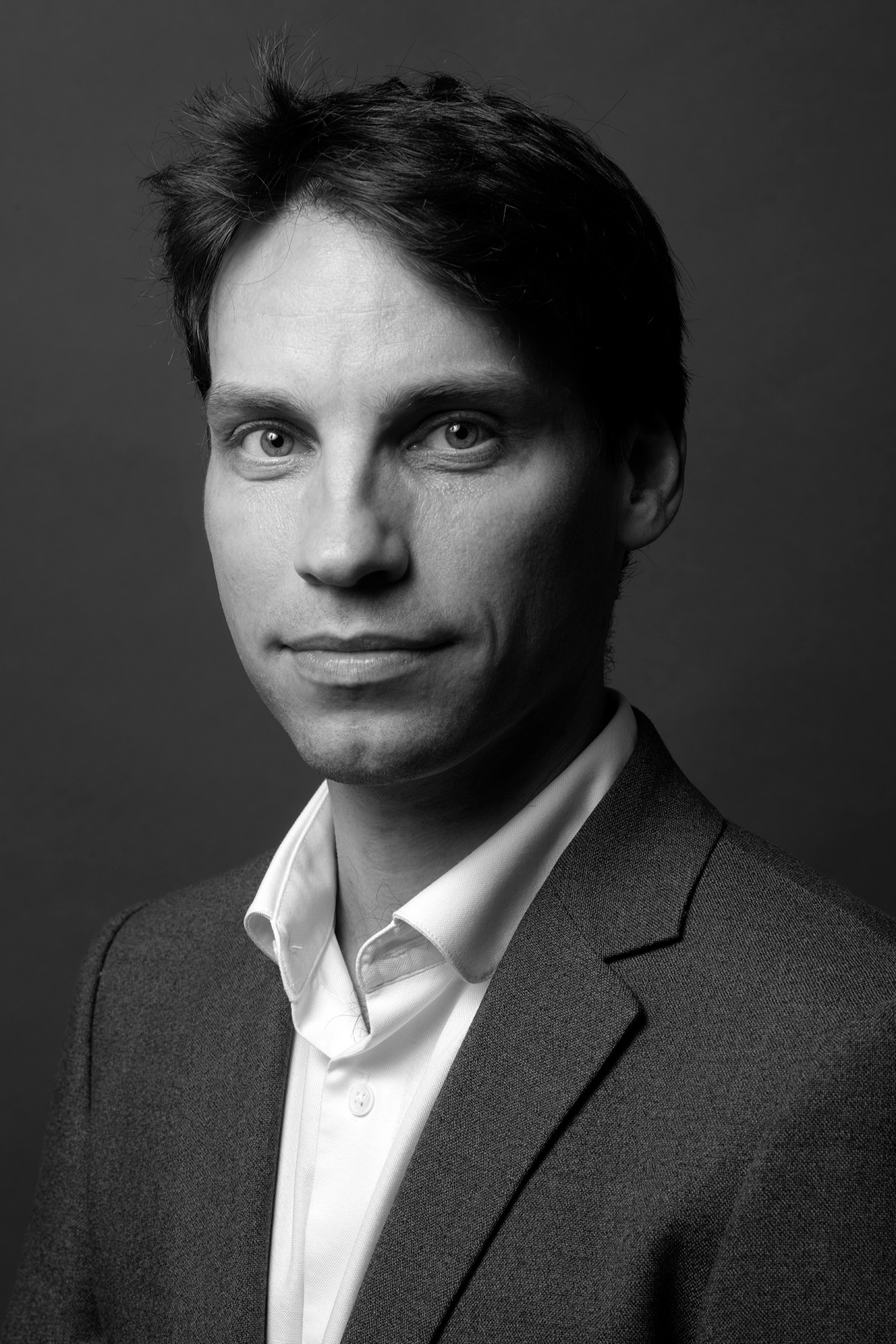
Dr Gaël Guian, endocrine surgeon Paris

Dr Gaël Guian
Endocrine surgeon

Dr. Gaël Guian is a surgeon exclusively specialised in thyroid and parathyroid surgery in Paris. A former Senior Registrar in France, he completed four years of post-fellowship training in endocrine surgery, including at the unit of Prof. Fabrice Menegaux at Pitié-Salpêtrière Hospital — one of France's leading reference centres in the field.

Holder of the Inter-University Diploma (D.I.U.) in endocrine surgery and accredited by the French Health Authority (HAS), Dr. Guian uses NIM monitoring and Fluobeam LX autofluorescence in every thyroid procedure, in line with current international guidelines. He consults at 69 Avenue Victor Hugo, Paris 16th and operates at Hôpital Privé des Peupliers, Paris 13th.

✓ French Health Authority (HAS) Accredited

Learn more about Dr. Gaël Guian →
Frequently asked questions

Thyroid surgery — frequently asked questions

Is thyroid surgery painful?

Most patients experience mild to moderate neck discomfort rather than significant pain in the first few days. Pain is effectively controlled with standard oral analgesics (paracetamol, NSAIDs). The vast majority of patients describe the recovery as easier than expected.

How long will I stay in hospital?

Total thyroidectomy typically requires one overnight stay for postoperative monitoring of calcium levels and vital signs. Thyroid lobectomy can frequently be performed as day surgery (same-day discharge), depending on the individual clinical situation.

Will I need to take medication for life?

Only patients who have undergone total thyroidectomy require lifelong thyroid hormone replacement (levothyroxine). The dose is individualised and adjusted based on regular TSH blood tests. Patients treated with lobectomy usually retain sufficient thyroid function and do not require hormone replacement.

How visible will the scar be?

The incision is placed in a natural transverse skin crease at the base of the neck, typically 3 to 5 cm long. With proper wound care and sun protection (SPF 50 for at least one year), the scar becomes progressively flat and pale over 3 to 6 months and is usually well concealed by clothing or jewellery.

How soon can I return to work?

Most patients with sedentary or office-based work return within 2 to 3 weeks. Physical or demanding work may require 4 to 6 weeks. Return to sport is generally possible from week 3 onwards, subject to the surgeon's assessment at the follow-up visit.

Book an appointment with Dr. Gaël Guian

Dr. Gaël Guian sees patients for surgical assessment of thyroid conditions at his consultation office in Paris 16th (69 Avenue Victor Hugo, Métro Victor Hugo / Étoile). The consultation reviews your preoperative workup — ultrasound, biopsy results, hormone panel — confirms the surgical indication and provides a detailed explanation of the planned procedure.

French health insurance (Carte Vitale) accepted — Sector 2 with OPTAM-CO — Typical waiting time under 2 weeks

Book on Doctolib 01 45 02 18 18